
Birmole Multispecialty Hospital
Cancer Surgery Department
Surgical Oncology & Cancer Care
ABOUT THE DEPARTMENT
Specialised cancer surgery with precision, safety and compassionate support
- Multidisciplinary Care
- Advanced Surgery
- Complete Cancer Support
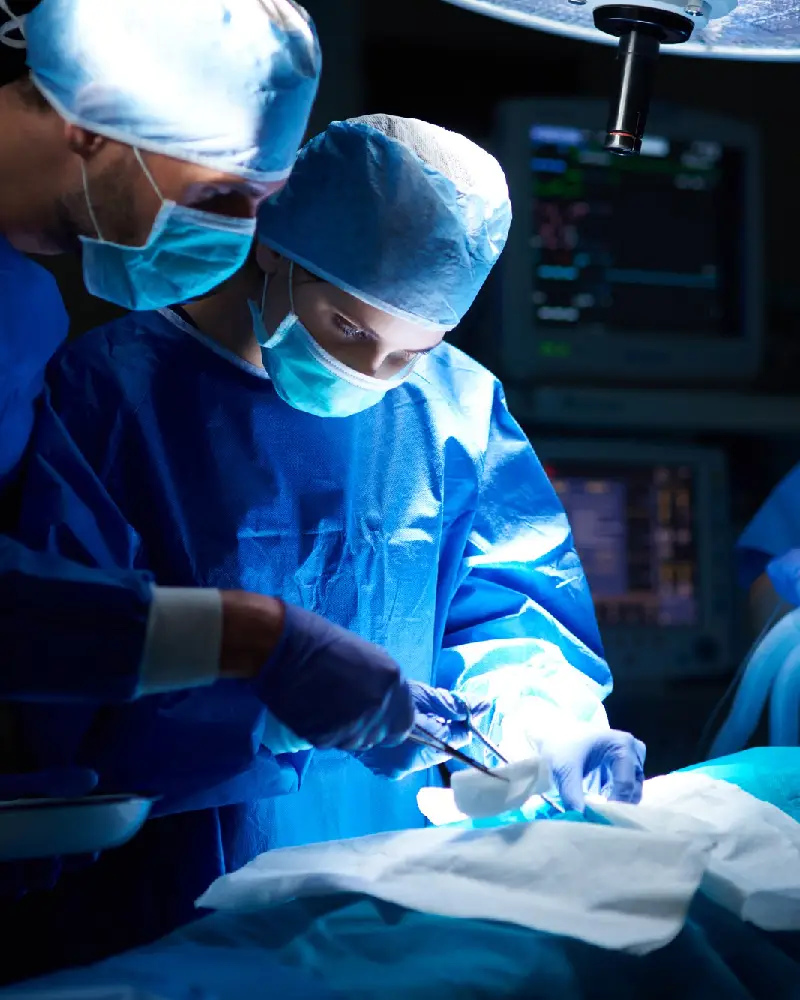
At Birmole Hospital, our Surgical Oncology Department provides specialised evaluation and surgical treatment for different types of cancer. Our surgical oncologists focus on accurate diagnosis, careful treatment planning and safe removal of cancerous tumours while preserving healthy tissue and organ function whenever possible.
Whether you have a confirmed cancer diagnosis, suspicious lump, abnormal biopsy report or require surgery as part of your cancer treatment, our team provides personalised care and coordinates with medical oncologists, radiation oncologists, pathologists and other specialists.
WHAT IS SURGICAL ONCOLOGY
The branch of surgery
focused on diagnosing and treating cancer
Surgical Oncology focuses on the diagnosis, staging and surgical treatment of cancerous and suspicious tumours. Surgery may be performed to remove the tumour, obtain a tissue sample, determine the cancer stage, relieve symptoms or reduce the risk of cancer progression.
Cancer Diagnosis & Biopsy
Surgical biopsy and tissue sampling to confirm cancer and guide further treatment planning.
Tumour Removal
Careful removal of cancerous tumours with suitable margins while protecting surrounding structures.
Reconstructive & Recovery Care
Restoration of appearance, function and mobility following cancer surgery whenever required.
SERVICES WE OFFER
Comprehensive surgical cancer care,
under one roof
01
Breast Cancer Surgery
Breast-conserving surgery, mastectomy and lymph node procedures for suitable breast cancer cases.
02
Head & Neck Cancer Surgery
Surgical treatment for cancers affecting the mouth, tongue, throat, thyroid and related structures.
03
Gastrointestinal Cancer Surgery
Surgical care for cancers involving the stomach, intestines, colon, rectum and digestive tract.
04
Liver & Pancreatic Cancer Surgery
Specialised evaluation and surgery for selected liver, gallbladder, bile duct and pancreatic tumours.
05
Gynaecological Cancer Surgery
Surgical treatment for cancers affecting the uterus, ovaries, cervix and reproductive organs.
06
Soft-Tissue Tumour Surgery
Evaluation and removal of sarcomas, suspicious lumps and cancerous soft-tissue growths.
07
Cancer Biopsy Procedures
Tissue sampling and surgical biopsy to confirm diagnosis and determine tumour characteristics.
08
Palliative Cancer Surgery
Procedures performed to relieve pain, obstruction, bleeding and other cancer-related symptoms.
conditions we treat
From suspicious growths to complex cancerous tumours.
Cancer may develop in different organs and can present as a lump, unexplained bleeding, persistent pain or changes in normal body functions. Our surgical oncologists assess the tumour type, location and stage before recommending the most suitable surgical approach.
- Breast cancer
- Oral cancer
- Tongue cancer
- Throat cancer
- Thyroid cancer
- Stomach cancer
- Colon cancer
- Rectal cancer
- Liver cancer
- Gallbladder cancer
- Pancreatic cancer
- Ovarian cancer
- Uterine cancer
- Cervical cancer
- Skin cancer
- Recurrent tumours
WHY CHOOSE BIRMOLE
Comprehensive cancer surgery
with personalised support at every stage.
Experienced Surgical Oncologists
Our specialists provide evidence-based surgical care for different types and stages of cancer.
Comprehensive Cancer Evaluation
Detailed examination, imaging, biopsy and staging help determine the most suitable treatment approach.
Advanced Surgical Techniques
Modern open and minimally invasive techniques support precise tumour removal and improved recovery.
In-House Diagnostics
Access to laboratory tests, imaging and pathology services supports timely diagnosis and surgical planning.
Complete Recovery Support
Patients receive guidance about wound care, nutrition, rehabilitation, further treatment and follow-up.
YOUR VISIT
What to expect during
a surgical oncology visit.
Step 1
Book
Schedule a consultation with our experienced surgical oncology specialist today.
Step 2
Check-In
Share your symptoms, medical history, biopsy and previous test reports.
Step 3
Consult
Our specialist examines you and recommends necessary diagnostic tests accordingly.
Step 4
Follow-Up
Receive clear guidance about treatment, surgery, recovery and follow-up care.
- Helpful Answers
Frequently asked questions
When should I consult a surgical oncologist?
You should consult a surgical oncologist after a confirmed cancer diagnosis, an abnormal biopsy, a suspicious lump or when surgery has been recommended as part of cancer treatment.
Does every cancer patient require surgery?
No. The need for surgery depends on the cancer type, location, stage and overall health of the patient. Some cancers may be treated with chemotherapy, radiotherapy or other treatments.
What tests are required before cancer surgery?
Tests may include blood investigations, imaging scans, biopsy, cardiac evaluation and other assessments. These help determine the cancer stage and whether surgery can be performed safely.
Can cancer surgery remove the entire tumour?
The goal is to remove the tumour completely whenever medically possible. However, the extent of surgery depends on the tumour’s location, size, spread and involvement of nearby structures.
Will I need chemotherapy or radiotherapy after surgery?
Some patients may require chemotherapy, radiotherapy, targeted therapy or hormonal therapy after surgery. The recommendation depends on the final pathology report and cancer stage.
How long does recovery take after cancer surgery?
Recovery depends on the type and extent of surgery, the organ involved and the patient’s overall health. The surgical team will provide personalised recovery and follow-up guidance.